
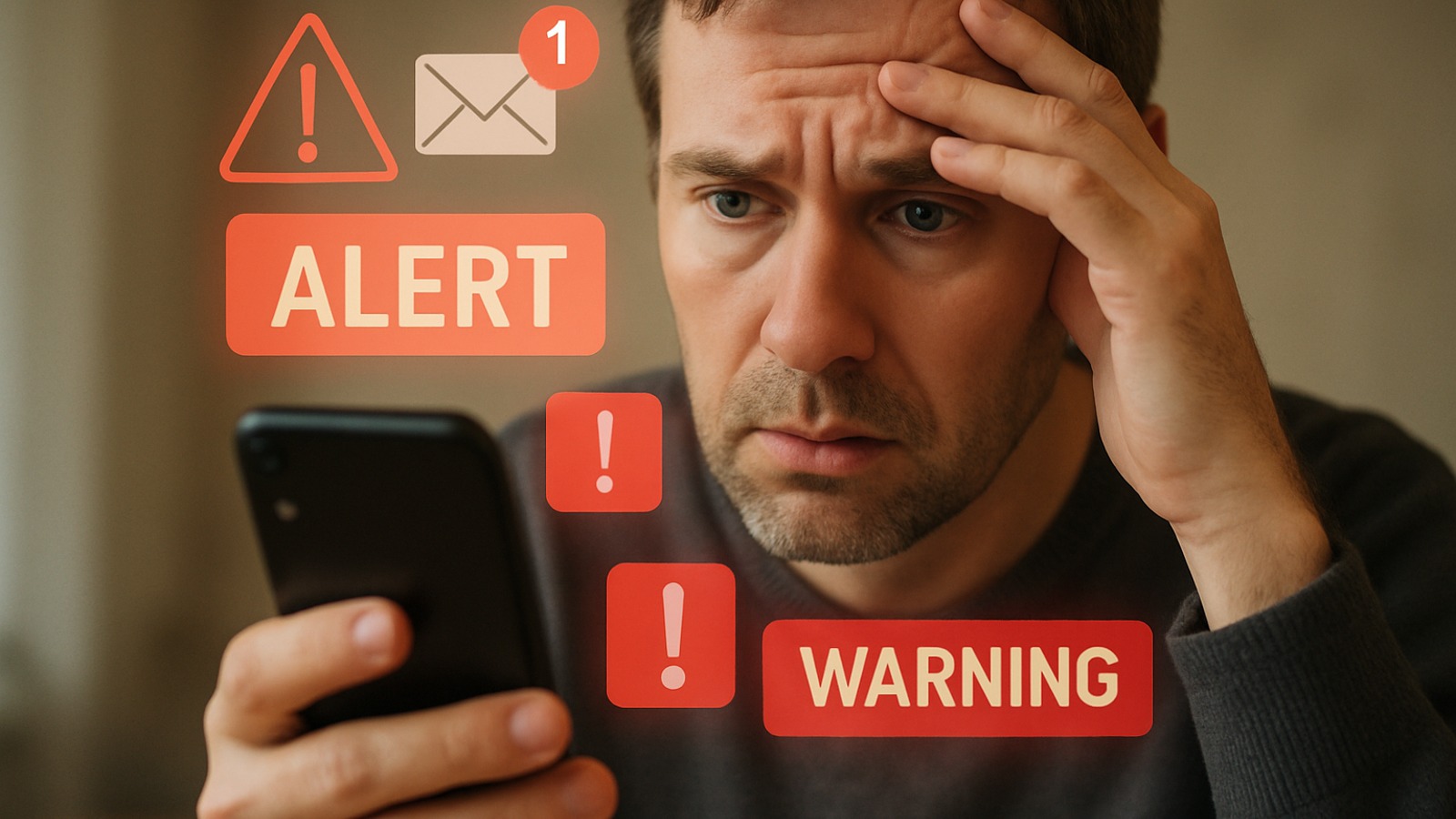
False Positives
Context in Language is Everything
One of my best friends recently asked me to help install a monitoring application on their young teenager's phone. She's 14 and also my goddaughter. Her parents are anti-cellphone for all the right reasons, but there's a ton of social pressure on young people, especially young women. She got the phone, and I got the assignment of helping them install and configure a monitoring system. The goal was straightforward: identify potential issues early and give parents greater visibility into what their kids were doing online.
I'm currently writing her an apology note to send when she turns 18. Read on.
Within hours, the alerts started pouring in.
On paper, it looked alarming. Words and phrases were being flagged as potential indicators of violence, bullying, self-harm, or inappropriate behavior. If you only read the alerts, you might conclude there was a serious problem.
There wasn't.
What the software struggled to understand was context.
Kids have a language all their own. They exaggerate, joke, quote song lyrics, repeat internet memes, and use expressions that would sound absurd, or even threatening, if taken literally. To the monitoring system, every phrase was treated as an isolated event. To anyone who actually knew the conversation, it was obvious that almost every alert was a false positive.
Conceptually, this extends far beyond parental monitoring. Artificial intelligence is becoming remarkably good at recognizing patterns, but recognizing patterns isn't the same as understanding people. Context matters. Relationships matter. Intent matters.
That's why AI should augment human judgment, not replace it. After reviewing dozens of alerts, I found myself spending far more time investigating harmless conversations than I would have spent simply talking to the kids in the first place. The software wasn't preventing chaos. It was creating endless parental overhead. It also created unnecessary anxiety for the parents and led to all kinds of awkward conversations that never needed to happen. (Again, a special apology to my goddaughter for my role in this.)
Technology can be incredibly valuable when it's used to surface meaningful signals. But when every joke, meme, or sarcastic comment becomes an alert, the signal gets buried under false positives.
The smartest decision isn't always adding another layer of monitoring. It's talking to your kids. Checking in. Looking through their devices together from time to time. More importantly, it's instilling the values that give you confidence they'll make good decisions when you're not there.
Full stop: if they're not ready to make good decisions when you're not watching, understanding they'll learn a few lessons along the way, they're probably not ready for a phone.
The danger with systems like this isn't that they miss everything. It's that they flag almost everything. When every conversation looks suspicious, parents eventually stop trusting the alerts altogether. The real signal gets buried in the noise.
If my goddaughter reads this in four years... I'm sorry. You survived the monitoring system. I hope you'll forgive your godfather.