
Game Recognizes Game
We tend to think AI is evolving. I think people are evolving, too.
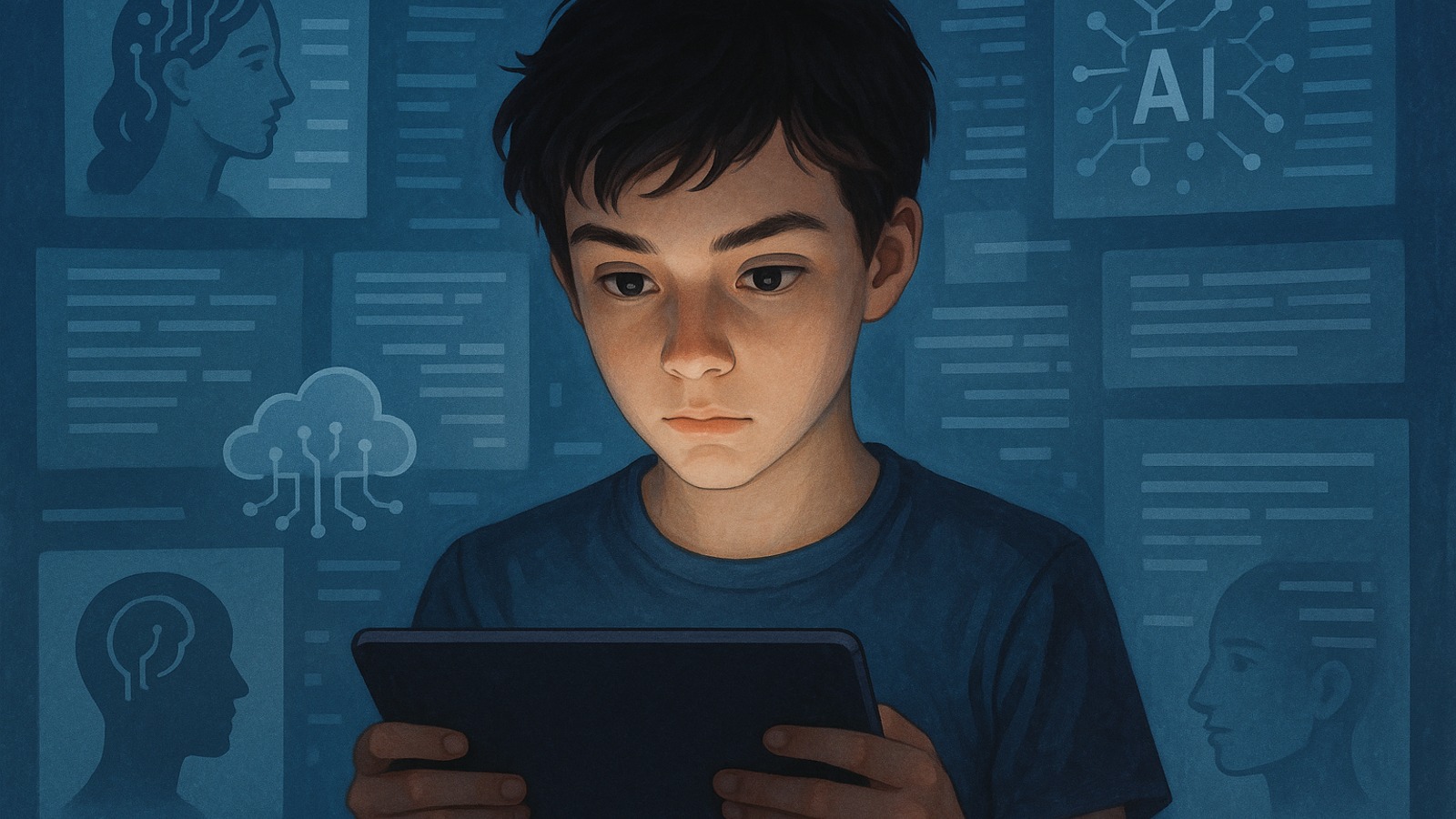
Having spent a lot of time around people under 25, I've noticed something interesting. They seem to recognize AI generated content almost instinctively. More importantly, they don't particularly like it.
That's anecdotal, of course. I can't point to a study that says Gen Z has developed some superhuman AI detector. But the consistency has been hard to ignore. They read something, look at an image, or watch a video and almost immediately say, "That's AI."
It got me thinking.
Maybe every generation develops a bullshit detector for the dominant medium of its time. Boomers learned to spot junk mail. Gen X learned to recognize phishing emails. Millennials became experts at identifying clickbait headlines. I wonder if Gen Z will become the first generation that instinctively recognizes AI generated content.
There is some emerging research suggesting we're all developing this skill. Studies have found that people who spend significant time working with AI become better at recognizing AI generated writing. Exposure appears to train the brain. Like any other skill, pattern recognition improves with repetition. In other words, game recognizes game.
As a 51 year old, I also have a theory about why younger people may be adapting faster. I've spent five decades building a mental library of writing styles, advertisements, websites, presentations, marketing campaigns, and design trends. When I look at something AI generated, my brain has an enormous catalog to compare it against. It often feels familiar because, in many ways, it is.
Someone in their early twenties has a very different reference point. Their expectations are shaped almost entirely by today's culture, today's design language, and today's communication styles. When something feels derivative or manufactured, it stands out immediately. Again, that's my hypothesis, not established science, but it fits what I've observed.
This matters because AI isn't going away. If anything, it's getting dramatically better. The irony is that as AI improves, so do we. We're developing new cognitive skills almost without realizing it. We're becoming better at recognizing patterns, authenticity, and perhaps most importantly, humanity.
That doesn't make AI less valuable. I use it every day and can't imagine working without it. But it does remind me that there is still enormous value in the human touch. Artificial intelligence can synthesize almost everything that's already been said. Only people can speak from experience.
Experience still has a voice that AI hasn't learned to imitate.